
How Comparative Negligence Works in New York Car Accident Cases
How Comparative Negligence Works in New York Car Accident Cases
Car accidents often involve complicated questions about who caused the collision and how much responsibility each driver should bear. In New York, accident claims are governed by a legal principle known as comparative negligence. This rule can significantly affect the amount of compensation an injured person may recover after a motor vehicle accident.
Understanding how comparative negligence works is important for anyone pursuing a personal injury claim after a crash. At Cascione,
Purcigliotti and Galluzzi P.C., legal assistance is available to individuals throughout New York who have been injured in car accidents and need help protecting their rights.
What Is Comparative Negligence?
Comparative negligence is a legal doctrine used to determine fault when more than one party contributed to an accident. Instead of preventing recovery entirely if the injured person shares some blame, New York law allows compensation to be reduced based on the injured party’s percentage of fault.
For example, if a driver is awarded $100,000 in damages but is found to be 20% responsible for the accident, the final recovery would be reduced to $80,000.
New York follows a “pure comparative negligence” rule. This means an injured person may still recover damages even if they were mostly responsible for the accident.
How Comparative Negligence Applies in Car Accident Cases
Insurance companies and courts examine the facts of the accident to determine how fault should be divided between the parties involved. Several factors may be considered, including:
- Speeding
- Distracted driving
- Failure to yield
- Running red lights or stop signs
- Unsafe lane changes
- Tailgating
- Driving under the influence
- Failure to obey traffic laws
In many cases, both drivers may have contributed to the crash in different ways.
Example of Comparative Negligence
Suppose Driver A is speeding through an intersection while Driver B makes an improper left turn. A jury could determine that Driver A
was 30% at fault for speeding and Driver B was 70% at fault for failing to yield.
If Driver A suffered $50,000 in damages, Driver A could still recover 70% of those damages, or $35,000.
Why Comparative Negligence Matters
Comparative negligence can have a major impact on the value of a car accident claim. Insurance companies frequently attempt to shift blame onto injured drivers in order to reduce payouts.
An insurer may argue that the injured person:
- Was partially distracted
- Failed to brake in time
- Was driving too fast for road conditions
- Did not wear a seatbelt
- Ignored traffic signals
Even a small increase in the percentage of fault assigned to the injured party can significantly reduce compensation.
Evidence Used to Determine Fault
Strong evidence is often critical in comparative negligence cases. The more evidence available to support a claim, the easier it may be to challenge allegations of shared fault.
Important evidence can include:
Police Reports
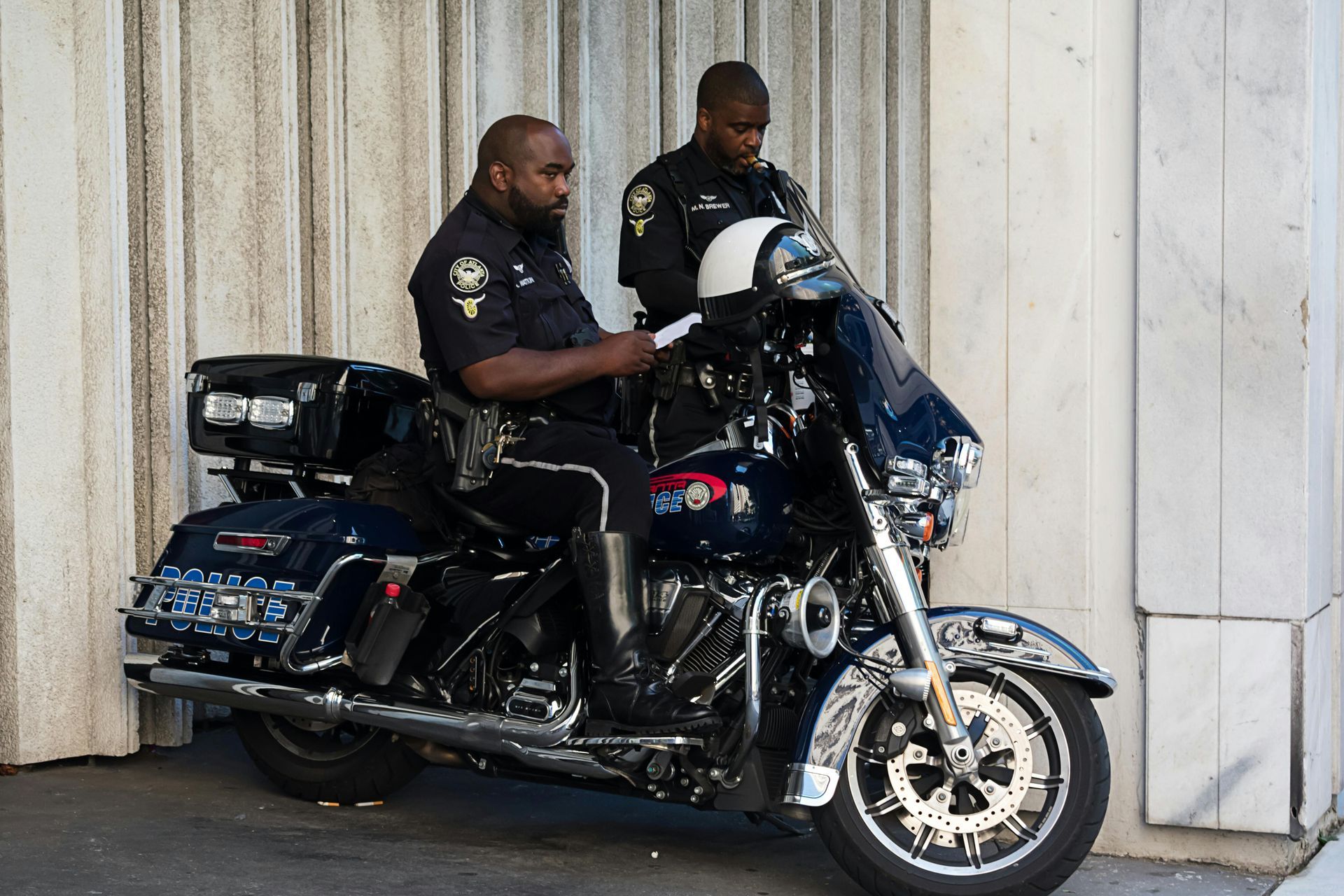
Police officers often document the scene, identify possible traffic violations, and record witness statements.
Witness Testimony
Independent witnesses may provide valuable insight regarding how the collision occurred.
Photos and Videos
Photographs of vehicle damage, skid marks, road conditions, and traffic signs can help establish liability. Traffic camera footage or dashcam recordings may also be important.
Medical Records
Medical documentation can connect injuries directly to the accident and support claims for damages.
Accident Reconstruction
In complex cases, accident reconstruction professionals may analyze vehicle speeds, angles of impact, and roadway conditions.
Damages Available in New York Car Accident Cases
Victims injured in New York car accidents may seek compensation for various losses, including:
- Medical expenses
- Lost wages
- Reduced earning capacity
- Pain and suffering
- Property damage
- Rehabilitation costs
- Emotional distress
However, the amount ultimately recovered may be reduced under comparative negligence rules if the injured party shares responsibility for the crash.
Comparative Negligence and New York No-Fault Insurance
New York operates under a no-fault insurance system. This means drivers typically first seek compensation for medical expenses and lost income through their own Personal Injury Protection (PIP) insurance coverage, regardless of who caused the accident.
However, comparative negligence becomes especially important when injuries meet New York’s “serious injury” threshold and the injured person pursues a lawsuit against the at-fault driver.
In these cases, fault allocation can directly affect the amount of compensation awarded.
Common Challenges in Comparative Negligence Claims
Comparative negligence disputes can become highly contested. Insurance companies may attempt to minimize payouts by aggressively arguing shared fault.
Some common challenges include:
Disputed Liability
Drivers often provide conflicting accounts of how the accident occurred.
Limited Evidence
A lack of witnesses or video footage can make fault difficult to establish.
Delayed Medical Treatment
Insurance companies may claim delayed treatment indicates the injuries were not serious or were unrelated to the accident.
Pre-Existing Injuries
Insurers may argue that medical conditions existed before the crash.
How Legal Representation May Help
Car accident claims involving comparative negligence can quickly become complex. Legal representation may help injured individuals by:
- Investigating the accident
- Gathering evidence
- Interviewing witnesses
- Negotiating with insurance companies
- Challenging unfair fault allegations
- Calculating damages
- Representing clients in court if necessary
An attorney may also help ensure insurance companies do not unfairly exaggerate a victim’s role in causing the accident.
Contact Cascione, Purcigliotti and Galluzzi P.C.
Individuals injured in New York car accidents may face medical bills, lost income, and disputes with insurance companies regarding fault. Understanding how comparative negligence works can be essential when pursuing compensation.
Cascione, Purcigliotti and Galluzzi P.C. provides legal assistance to the New York public in car accident and personal injury matters.